How to Investigate Stock Discrepancies in a Small Shop
A calm, practical process for recounting stock, checking transactions, and documenting corrections with a clear trail.
· Updated
Your record says there should be 18 bottles of water, but you can find only 16 on the shelf and in storage. Do not change the number right away. First work out when the difference may have appeared and keep a note of what you find.
Set the item and counting window
Choose the item with the discrepancy and note when you are checking it. If operations allow, pause record changes for that item. If sales continue, record them during the count so they are not mixed into the result.
Count the physical stock again
Check the unit, such as pieces, cases, or kilograms, and include every relevant storage location. If possible, ask someone else to count independently. Write down the result rather than relying on memory.
Match the count against recent activity
Compare physical stock with the latest reliable record. Check deliveries, sales, returns, operational use, damaged goods, and transfers between locations. Review receipts or other evidence from the period since the last trusted count.
Record the cause and any correction
If you find a cause, write down what happened, the date, quantity, and supporting evidence. Make an adjustment with an explanation that can be traced later. Do not erase history or change the number just to make it match. If the cause is still unknown, label it unexplained and decide when to investigate again.
Make repeat discrepancies easier to spot
Record stock movements when they happen, use consistent units, and check items that matter to daily operations on a regular schedule. A simple routine that gets followed is more useful than a complicated form left blank.
For background, see Sora’s small-shop inventory guide. If you are evaluating a digital record-keeping process, review the grocery shop app page against your own needs and confirm the features you need before relying on them.
The right process depends on the items, units, and workflow in your shop. Today, choose one item with a noticeable discrepancy, recount every storage location, and write down the time and result.
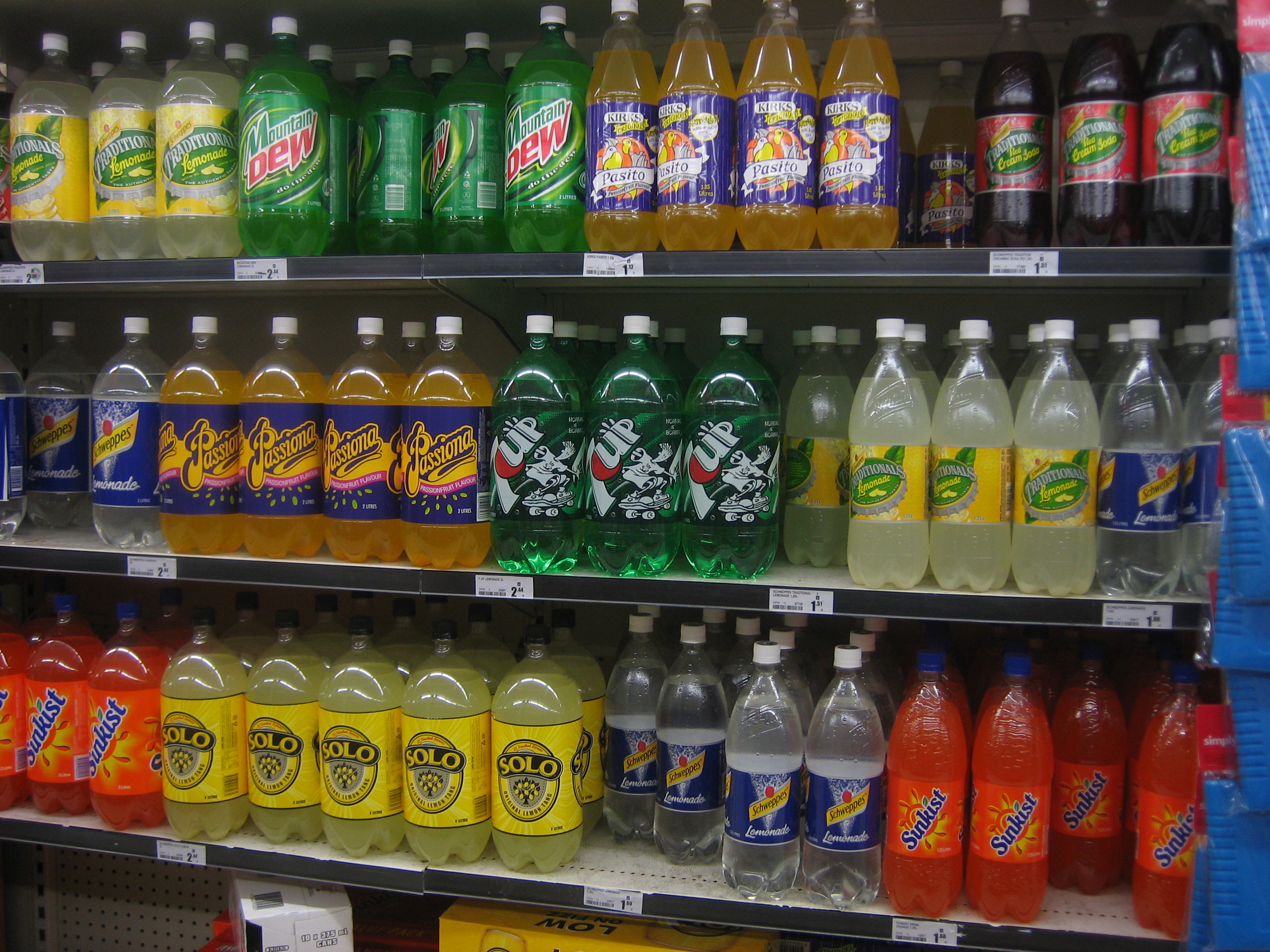
Photo illustration of supermarket shelves, not documentation of an Indonesian shop. Credit: SMC / Wikimedia Commons, public domain.
